ᕝᓘᐃᔾᒥᑦ From the Floe Edge
Co-PI: Dr Isabelle Gapp (Univ. of Aberdeen) & Dr Sarah Cooley (Duke University)
Collaborators: West-Baffin Co-operative (Kinngait Studios)
Project duration: 2024-ongoing
Funding so far: £259,117 (British Academy Knowledge Frontiers International Interdisciplinary Research Project)
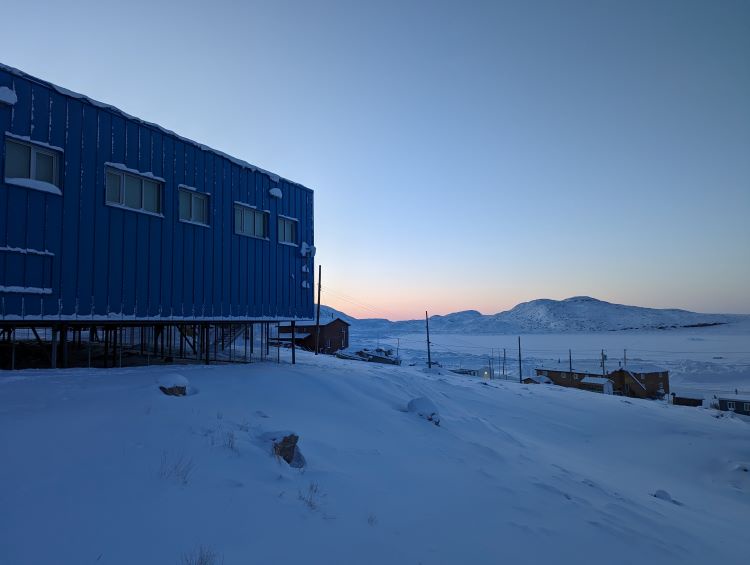
For many Arctic communities and ecosystems, one of the most impactful consequences of climate warming is the deterioration of coastal sea ice which forms along its coastline during winter and spring. This coastal sea ice or siku, is of immense importance to Arctic communities, as it provides a crucial marine mammal and seabird habitat, is used extensively for travelling between otherwise isolated communities, and provides a key platform for subsistence hunting and fishing. The experience of coastal sea ice and the floe edge, or sinaaq, is also inherently very local. Ice edge formation and breakup can be widely variable from year to year, and its patterns at the local scale are largely uncorrelated with the sea ice that forms in the open ocean. Increasingly, the floe edge is getting closer to land, the quality and thickness of the ice is declining, and the length of the ice season is decreasing.
ᐊᒥᓱᓄᑦ ᐅᑭᐅᖅᑕᖅᑐᒥ ᓄᓇᓕᖕᓄᑦ ᐃᓂᓄᓪᓗ, ᐊᒃᑐᖅᑕᐅᓂᖅᐹᖑᖃᑕᐅᕙᒃᐳᖅ ᓯᓚᐅᑉ ᐅᖅᑰᓯᕙᓪᓕᐊᓂᖓᓄᑦ ᓯᑯᐃᖅᐸᓪᓕᐊᓂᖓᓄᑦ ᓯᒡᔭᖅᐸᓯᒃᑯᑦ ᐅᑭᐅᒃᑯᑦ ᐅᐱᕐᙶᒃᑯᓪᓗ. ᑖᓐᓇ ᓯᒡᔭᖅᐸᓯᖕᒥ ᓯᑯ ᐅᕝᕙᓘᓐᓃᑦ ᓯᑯ, ᐱᒻᒪᕆᐅᕐᔪᐊᖅᐳᖅ ᐅᑭᐅᖅᑕᖅᑐᒥ ᓄᓇᓕᖕᓄᑦ, ᐱᒻᒪᕆᐅᓂᖏᓐᓄᑦ ᐃᒪᕐᒥᐅᑕᑦ ᐆᒪᔪᑦ ᐊᒻᒪ ᐃᒪᕐᒥᐅᑕᑦ ᑎᖕᒥᐊᑦ ᓇᔪᖅᐸᒃᑕᖏᑦ, ᐊᑐᖅᑕᐅᕐᔪᐊᓲᖑᕗᑦ ᓄᒃᑕᕈᑕᐅᓪᓗᑎᒃ ᓄᓇᓖᑦ ᐅᖓᓯᒋᒐᓗᐊᕐᓗᒋᑦ, ᑐᙵᕕᒋᔭᐅᓪᓗᐊᑕᖅᖢᓂᓗ ᐊᖑᓇᓱᒃᐸᒃᑐᓄᑦ ᐊᒻᒪ ᐃᖃᓗᒐᓱᒃᐸᒃᑐᓄᑦ. ᓯᔾᔭᖅᐸᓯᒻᒥ ᓯᑯᒥ ᐊᒻᒪᓗ ᓯᓈᖓᓂ, ᐅᕝᕙᓘᓐᓃᑦ ᓯᓈᕐᒥ, ᓄᓇᓕᓐᓂᒥᐅᑕᓪᓚᕆᐅᒻᒥᔪᖅ. ᓯᑰᑉ ᑭᒡᓕᖓ ᐊᒻᒪᓗ ᓯᑯᐃᖅᐸᓪᓕᐊᓂᖓ ᐊᔾᔨᒌᙱᕈᓘᔭᕈᓐᓇᖅᑐᖅ ᐊᕐᕌᒍᑕᒫᑦ, ᐊᒻᒪᓗ ᐋᖅᑭᐅᒪᓂᖏᑦ ᓄᓇᓕᖕᒥᑦ ᓯᑯᖃᕐᓂᖏᓐᓄᑦ ᑕᕆᐅᕐᒥᑦ. ᓯᑎᕙᓪᓕᐊᕗᖅ, ᓯᓈᖓ ᖃᓂᓪᓕᕙᓪᓕᐊᓪᓗᓂ ᓄᓇᒧᑦ, ᐱᐅᓂᖓ ᐃᔾᔪᓂᖓᓗ ᓯᑯᐅᑉ ᓄᖑᑉᐸᓪᓕᐊᓪᓗᓂ, ᐊᒻᒪᓗ ᓯᑰᑉ ᓯᓕᖅᐸᓪᓕᐊᓪᓗᓂ.
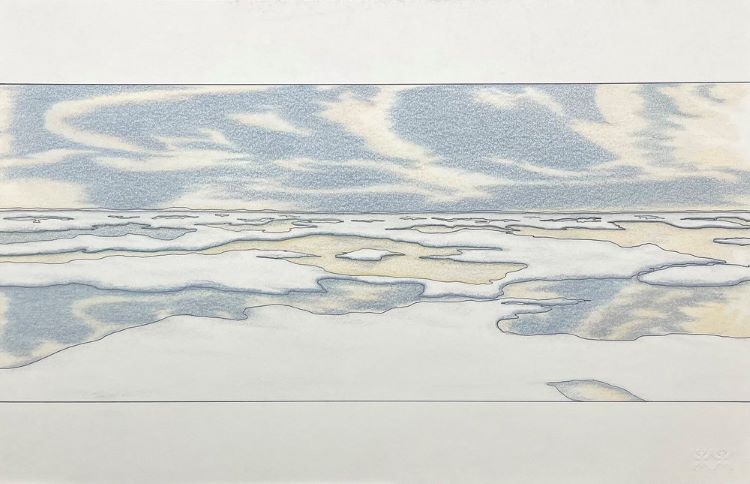
Using printmaking and drawing, alongside scientific data and satellite imagery, From the Floe Edge examines the stories, science, and visual histories of the cryosphere from the perspective of, and in dialogue with, local artists for whom experiences of sea ice extends into the picture plane. With this we propose an interdisciplinary, community-led, visually-oriented study of the sea ice surrounding Kinngait to explore how, and if, our tools, visual and scientific might be used to understand and re-imagine our past, present, and future relationships with the sea and the cryosphere.
ᐊᑐᕐᖢᑎᒃ ᐅᓄᖅᑐᓕᐅᕈᑎᓂᒃ ᑎᑎᕋᐅᔭᕐᓂᕐᓂᒃᓗ, ᓴᓂᐊᒍᑦ ᑭᒃᓕᓯᓂᐊᕈᑎᓄᑦ ᑲᑎᖅᓱᖅᓯᒪᔪᓂ ᖃᖓᑦᑕᖅᑎᑕᐅᓯᒪᔪᒃᑯᓪᓗ ᐊᔾᔨᙳᐊᓂᑦ, Floe Edge−ᒥ ᖃᐅᔨᓴᓲᑦ ᐅᓂᒃᑳᓂᑦ, ᑭᒃᓕᓯᓂᐊᕈᑎᓂᒃ, ᑕᐅᑐᒃᓗᑎᒃᓗ ᐊᑐᕐᓂᑯᕕᓂᕐᓂ ᑕᐅᑐᒃᑕᖓᒍᑦ, ᐅᖃᖃᑎᒋᓗᒋᓪᓗ, ᓄᓇᓕᖕᒥ ᓴᓇᙳᐊᖅᑎᑦ ᐊᑐᖅᓯᒪᔪᑦ ᓯᑯᒥ ᑎᑭᑉᐸᒃᖢᑎᒃ ᐊᔾᔨᒧᑦ ᖃᖓᑕᓲᒧᑦ. ᑕᒪᓐᓇ ᐱᔾᔪᑎᒋᓪᓗᒍ, ᑐᒃᓯᕋᖅᐳᒍᑦ ᐋᖅᑭᒋᐊᖅᓯᓂᕐᒥᒃ, ᓄᓇᓕᖕᓂ−ᐊᐅᓚᑕᐅᔪᒥᒃ, ᑕᑯᒃᓴᐅᔪᒃᑯᑦ−ᑐᕌᖓᔪᒥᒃ ᖃᐅᔨᓴᕐᓂᕐᒥᒃ ᓯᑯᒥᒃ ᑭᙵᐃᑦ ᖃᓂᒋᔮᓂ ᖃᐅᔨᓇᓱᒡᓗᑕ ᖃᓄᖅ, ᐊᒻᒪ ᐃᒪᐃᑉᐸᑦ, ᐱᓕᕆᔾᔪᑎᕗᑦ, ᑕᑯᒃᓴᐅᔪᑦ ᐊᒻᒪ ᖃᐅᔨᓴᖅᑎᒻᒪᕇᑦ ᐊᑐᖅᑕᐅᔪᓐᓇᕐᒪᖔᑕ ᑐᑭᓯᔾᔪᑕᐅᓗᑎᒃ ᐊᒻᒪ ᑕᐅᑐᒃᑲᓐᓂᕐᓗᒋᑦ ᑭᖑᓂᖔᑦᑎᓐᓂ, ᒫᓐᓇ, ᐊᒻᒪ ᓯᕗᓂᒃᓴᒥ ᐱᓕᕆᖃᑎᒌᒍᓯᑦ ᐃᒪᕕᖕᒥ ᐊᒻᒪ ᕿᐊᕐᓇᖅᑐᓂᒃ.
Events & Publications:
Isabelle Gapp, “A Brief Journey onto the Sea Ice in Kinngait, Nunavut,” Network in Canadian History and Environment (NiCHE), 6 August 2025.
Featured in:
Karine Lavoie, “Les oeuvres des artistes de Kinngait au coeur d’une recherche scientifique,” Le Nunavoix, 17 July 2024.
Kira Wronska Dorward, “Drawings from The Ice Floe Edge,” Nunavut News, June 10, 2024.

Teaching Arctic Environments
Co-PI: Dr Isabelle Gapp (Univ. of Aberdeen) & Dr Jonathan Peyton (Univ. of Manitoba)
Collaborators: Dr Nadine C. Fabbi (Univ. of Washington), Dr. Penny How (GEUS)
Project duration: 2023-ongoing
Funding so far: £32,152 (£8,159 from Arctic Connections Fund; $7,000USD from UW/TrentU; $10,000CAD from UManitoba; £12,675 from NERC UK-Greenland)
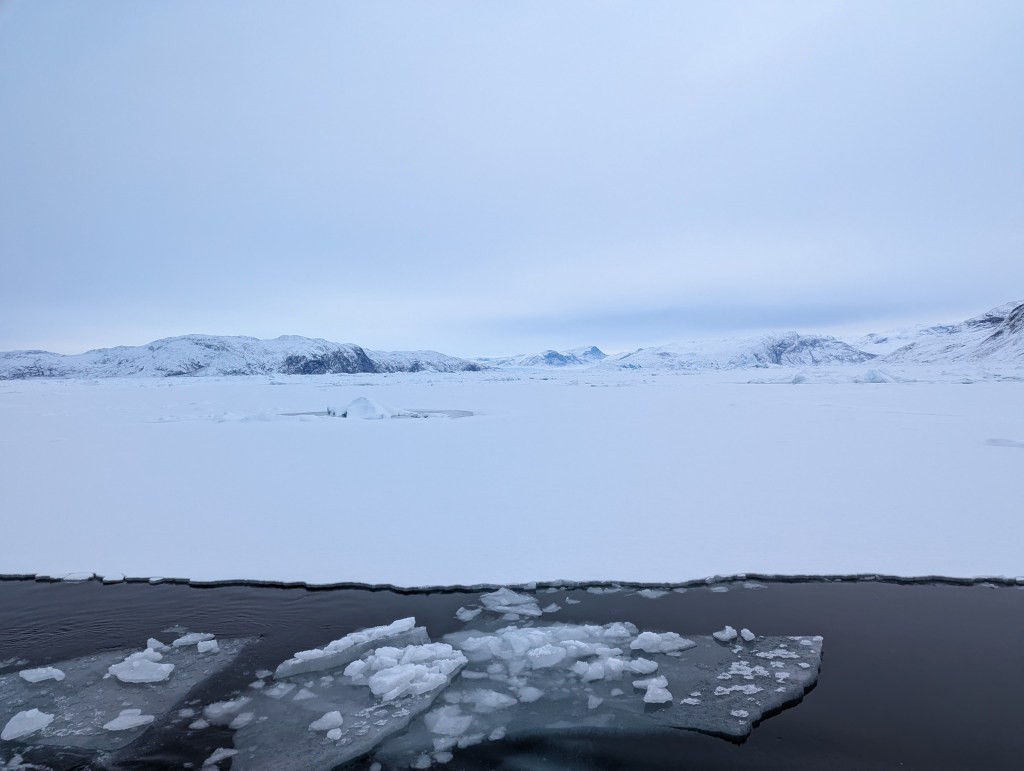
Teaching Arctic Environments addresses the need for multi-disciplinary and collaborative pedagogy within and beyond Scottish and North American institutions. In collaboration with the Canadian Studies Center: Arctic and International Relations, Henry M. Jackson School of International Studies, University of Washington, this project seizes upon the newly-established Interdisciplinary Research Centres at the University of Aberdeen to develop and co-create online and open-access visually-orientated teaching resources that address the growing need and demand for critical environmental humanities pedagogy of the circumpolar Arctic.
Funded by the Scottish Government Arctic Connections Fund (2023-24), the University of Washington and Trent University (2023-2024), a University of Manitoba UIPPSF Internal Grant (2024-2025), and a NERC UK-Greenland Arctic Research Bursary (2024-2025).
Events & Publications:
– Internal workshop in collaboration with Museums & Special Collections at the University of Aberdeen (November 6th, 2023).
– Internal workshop at the University of Washington, Seattle in collaboration with the Library & Special Collections and Burke Museum (February 29th, 2024).
Visual Cultures of the Circumpolar North
Co-leads: Dr Isabelle Gapp (Univ. of Aberdeen), Dr Matthew Farish (Univ. of Toronto), Ivana Dizdar (Univ. of Toronto)
Project duration: 2021-2024
Total funding: $9,000CAD
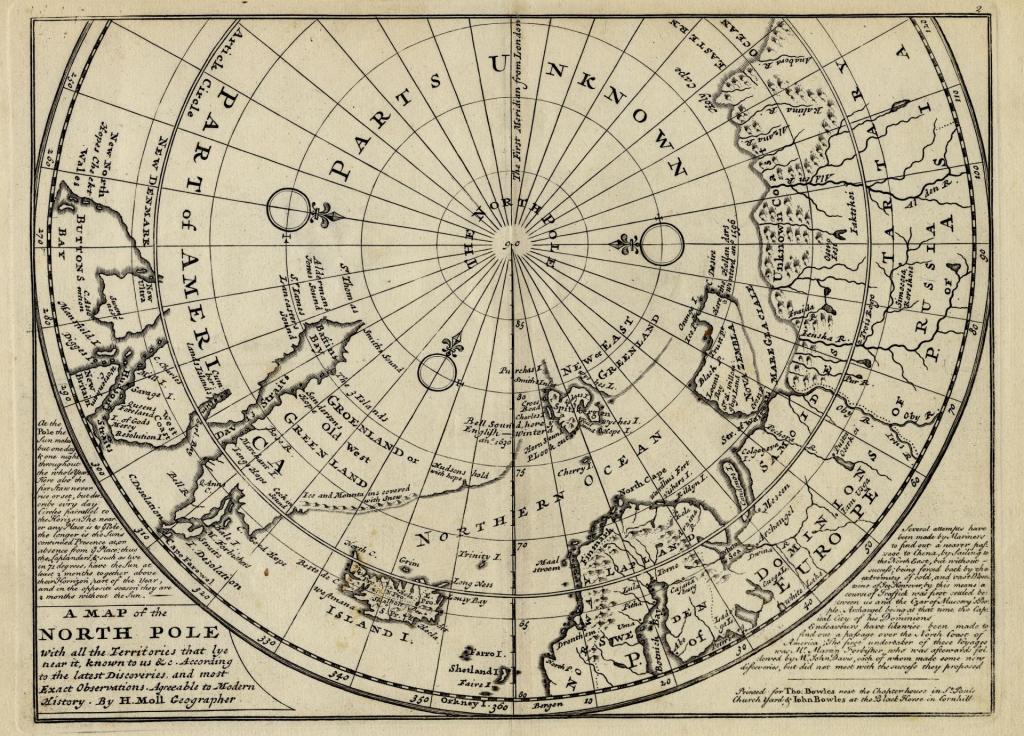
Our Jackman Humanities Institute Working Group brings together interdisciplinary perspectives on Indigenous, environmental, and settler pasts, presents, and futures around the circumpolar north to examine the complex visual and textual cultures of this region. Our areas of focus include northern landscapes, borders, and environmental histories; settler colonial expeditionary narratives; contemporary and historic militarisation and defense; cinematic and curatorial manifestations of north; and Indigenous arts, modernisms, and cultural heritage across Canada and the wider circumpolar north. We are confronting north-south dialogues and divides to draw attention to the cultural, social, and environmental dynamics between Indigenous communities and settler populations across Alaska, Canada, Greenland, the Nordic countries, and Russia.
Group members:
Internal Group Members: Mark Cheetham (Faculty, co-lead 2021-23), Melissa Gniadeck (Faculty), Alexandra Rahr (Faculty), Rowan Red Sky (PhD Student).
External Group Members: Hana Nikčević (PhD Student, MIT), Andrew Batemen (PhD Student, York Univ./Ryerson), Amanda Boetzkes (Univ. of Guelph), Allison Morehead (Queen’s Univ.), Carmen Victor (York Univ.), Margaryta Golovchenko (Univ. of Oregon), Haylee Glasel (Florida State Univ.).
Talks & Publications:
NiCHE Visual Cultures of the Circumpolar North Series (2022-ongoing)
NiCHE-JHI Visual Cultures of the Circumpolar North Virtual Roundtable for ASEH Env Hist Week (May 2023)
Visual Cultures of the Circumpolar North Conference Session at UAAC-AAUC, Toronto (October 2022)
JHI Working Group Spotlight (April 2022)
 Isabelle Gapp